From Idea to Execution: The Way Deck Builders Transform Your Ideas Into Reality
Deck builders play an essential role in transforming outdoor spaces. They begin by understanding client needs and preferences, directing them through available materials and design alternatives. This collaborative approach guarantees that the final product aligns with the homeowner's vision. As the project advances, builders manage compliance requirements and copyright open communication. Still, many homeowners may question what particular stages are part of this journey and how they influence the final result.
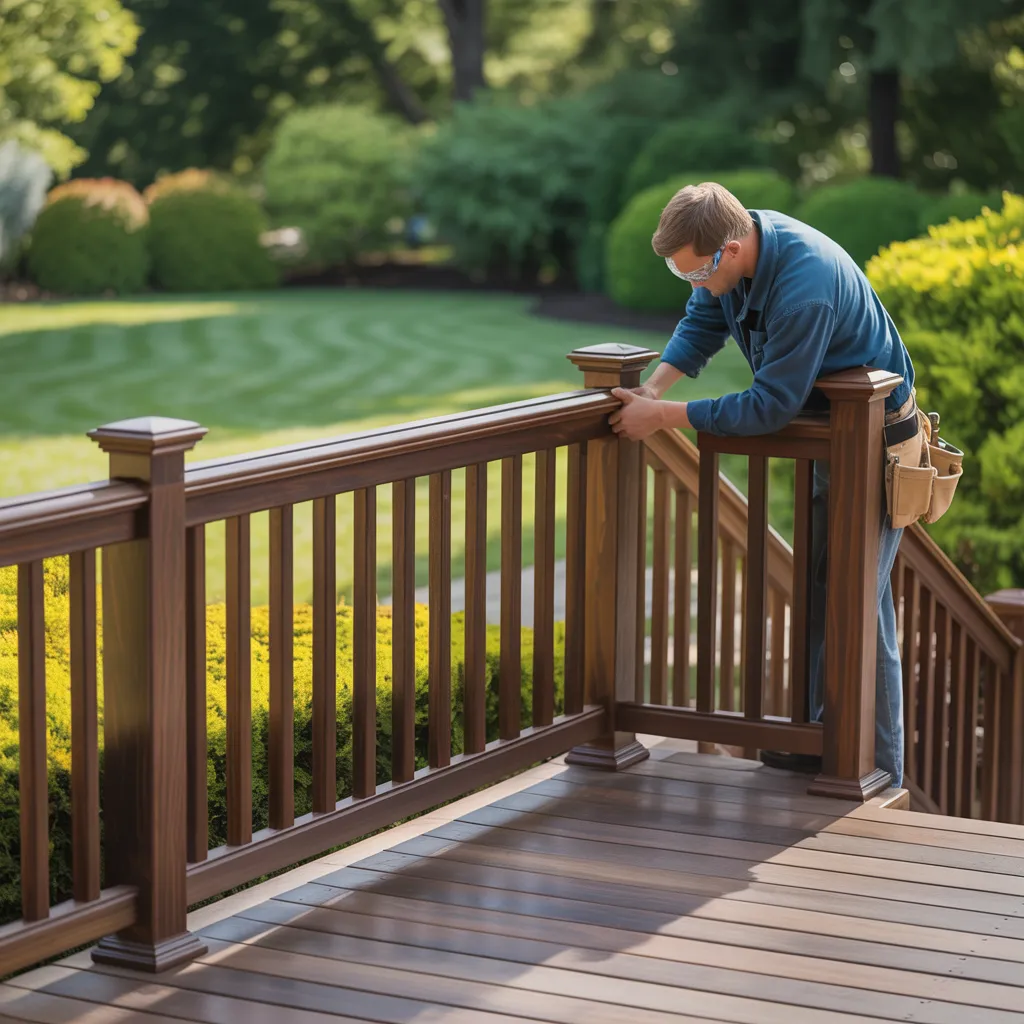
Key Questions to Help You Define Your Perfect Deck
When reference imagining the perfect deck, what core aspects should be examined? As a starting point, homeowners should consider their main reason for the deck. Is it for entertaining guests, creating memories with family, or peacefully enjoying personal time? Identifying the main objective greatly influences the overall design direction.
Following this, the preferred dimensions and configuration needs to be decided upon. This entails evaluating the available area and how the deck design will complement current structures and landscape elements.
Additionally, one must consider the outdoor space's sunlight exposure and orientation. This affects the level of comfort during the day and determines material choices as well.
Additionally accessibility is crucial; straightforward access to the property and adjacent areas will boost overall usability. By addressing these vital questions, property owners can create a defined vision that builds the foundation for their dream deck, ensuring it meets their lifestyle needs while harmonizing with the overall environment.
Choosing Decking Materials for Your Dream Backyard Space
Choosing the best materials for a deck can considerably affect both its visual appeal and longevity. Property owners regularly explore various options, including wood, composite, and PVC materials. Natural wood, such as cedar or redwood, delivers a traditional look and can be stained or painted to suit any style. Nonetheless, it requires routine upkeep to avoid rot and splintering.
Composite materials, combining wood fibers and plastic, offer an easy-to-maintain option that stands up against fading and staining. Their versatility in color and texture makes them an attractive choice for many.
PVC deck boards, manufactured wholly from plastic, offers exceptional durability and resistance to moisture, guaranteeing a long lifespan across different climates.
Ultimately, the selection of materials should align with the homeowner's aspirations, financial plan, and maintenance preferences, enabling a customized outdoor living space that represents their personal style while standing the test of time.
Crafting Your Deck Design: Partnering With Professionals
Turning a concept into a beautiful deck design often requires collaboration with experienced professionals. Skilled deck builders and design experts partner with homeowners to comprehend their tastes, lifestyle, and visual objectives. The process starts with a preliminary consultation, where concepts are discussed and core requirements are defined.
Skilled specialists utilize their expertise to suggest features, materials, and layouts that align with the homeowner's vision while ensuring long-term functionality and durability. They frequently present 3D renderings, enabling homeowners to envision the completed project and reach well-informed decisions.
Within the planning phase, clear communication plays a vital role. Homeowners are invited to share their ideas and questions, while professionals offer guidance and insights. This collaboration not only elevates creative potential but also optimizes the overall workflow, making certain that the finished deck embodies the homeowner's distinct preferences and desires. In the end, the collaboration fosters a smooth transition from creative vision to an exquisite outdoor space.
Deck Building Permits: Everything You Need to Know?
As the design process progresses, comprehending the regulatory environment becomes necessary for homeowners looking to construct a deck. Deck building permits are often required to secure conformity with local construction codes and zoning requirements. These permits preserve the structural stability and security of the deck, addressing factors like height, size, and location.
Homeowners should begin by reaching out to their municipal building office to determine detailed requirements. The process typically involves presenting detailed plans, which detail the design and materials of the deck. Moreover, certain regions may necessitate evaluations at different stages of construction.
Overlooking the need for proper permitting may result in fines, mandatory removal, or delays in the construction process. Homeowners are encouraged to work closely with experienced deck builders who are familiar with local building codes, enabling a more seamless transition from planning to completion and sidestepping potential complications related to the permitting process.
What Happens During the Deck Construction Phase
Throughout the deck building process, homeowners can anticipate a systematic approach that turns their plans into a finished structure. First, the construction area will be readied, ensuring it is even and free of any obstructions. The deck construction team will then map out the design based on the approved blueprints, identifying critical locations for posts and beams.
Next, they will set up the base components, including footings and support posts, which ensure structural stability. After the framework is established, the construction team will attach the decking material and joists, ensuring precise alignment and spacing. All throughout this phase, homeowners can expect ongoing updates and transparent communication from the construction team, resolving any questions or concerns.
Safety is of the utmost importance, so builders will adhere to local codes and regulations. Upon completion, once the construction phase is finished, a comprehensive review will confirm the deck complies with all established specifications, setting the stage for the finishing touches that will improve the overall visual appeal.
Post-Construction: Essential Deck Maintenance Tips
Following the successful completion of deck construction, homeowners make maintaining its integrity and appearance a top priority. Consistent maintenance not only boosts the deck's visual appeal but also increases its longevity. Initially, homeowners should frequently clean the deck, eliminating debris and dirt to reduce the risk of mold growth. It is advisable to use a mild cleanser and a soft brush to prevent surface damage.
Protecting the deck with sealant is important, particularly for wood-based structures. A high-quality sealant protects against moisture, UV rays, and weathering. Homeowners are recommended to reapply sealant once every one to three years, subject to the prevailing weather and environmental conditions.
Checking for loose boards, nails, or structural issues ought to be performed each season. Timely repairs can help avoid more significant damage. Moreover, strategic furniture positioning and the placement of protective mats can assist in limiting wear and tear. By implementing these care recommendations, homeowners can be confident their deck will continue to serve as a stunning and versatile outdoor retreat for years to come.

Questions We Often Receive
What Is the Typical Duration of the Complete Deck Building Process?
The entire deck building process typically takes one to several weeks in total, depending on factors such as design complexity, material availability, and weather conditions. Each project varies, which notably affects the overall timeline.
Which Deck Design Trends Are Currently Popular?
Today, leading design trends for decks encompass layered deck configurations, built-in lighting, green building materials, and unrestricted floor plans that merge interior and exterior living areas. Natural finishes and vibrant colors are becoming more sought after with homeowners searching for up-to-date aesthetic qualities.
Can Features Such as Lighting or Seating Be Added Later?
Yes, extra elements like lights or seating options can be included at a future date. Deck builders often advise considering future improvements during the original build to provide cohesive inclusion and copyright the structural stability while accommodating evolving design preferences.
In What Ways Do Weather Conditions Impact the Construction Timeline?
Weather plays a significant role in affecting construction schedules. Precipitation, freezing conditions, or severe temperatures may disrupt material shipments, reduce worker efficiency, and impair equipment performance, consequently lengthening the project's completion time and demanding strategic planning to minimize these foreseeable obstacles.
What Types of Warranties or Guarantees Do Deck Builders Usually Provide?
Deck builders typically offer warranties covering workmanship and materials, covering periods of one to ten years. Certain contractors may also offer lifelong guarantees on particular products, ensuring durability and customer satisfaction across the full duration of the deck's life.